
Heat pump repair and installation in Youngstown, OH
HVAC Guy repairs and installs ducted heat pumps, ductless mini-splits, and dual fuel systems that pair a heat pump with a gas furnace. If yours is frozen solid, stuck in one mode, or running the backup heat nonstop, we can find out why.
How a heat pump works
A heat pump is an air conditioner with a reversing valve, so it can move heat in either direction: out of the house in summer and into the house in winter. Because it only moves heat, it uses much less electricity than electric resistance heat, but its output drops as the outdoor temperature falls.
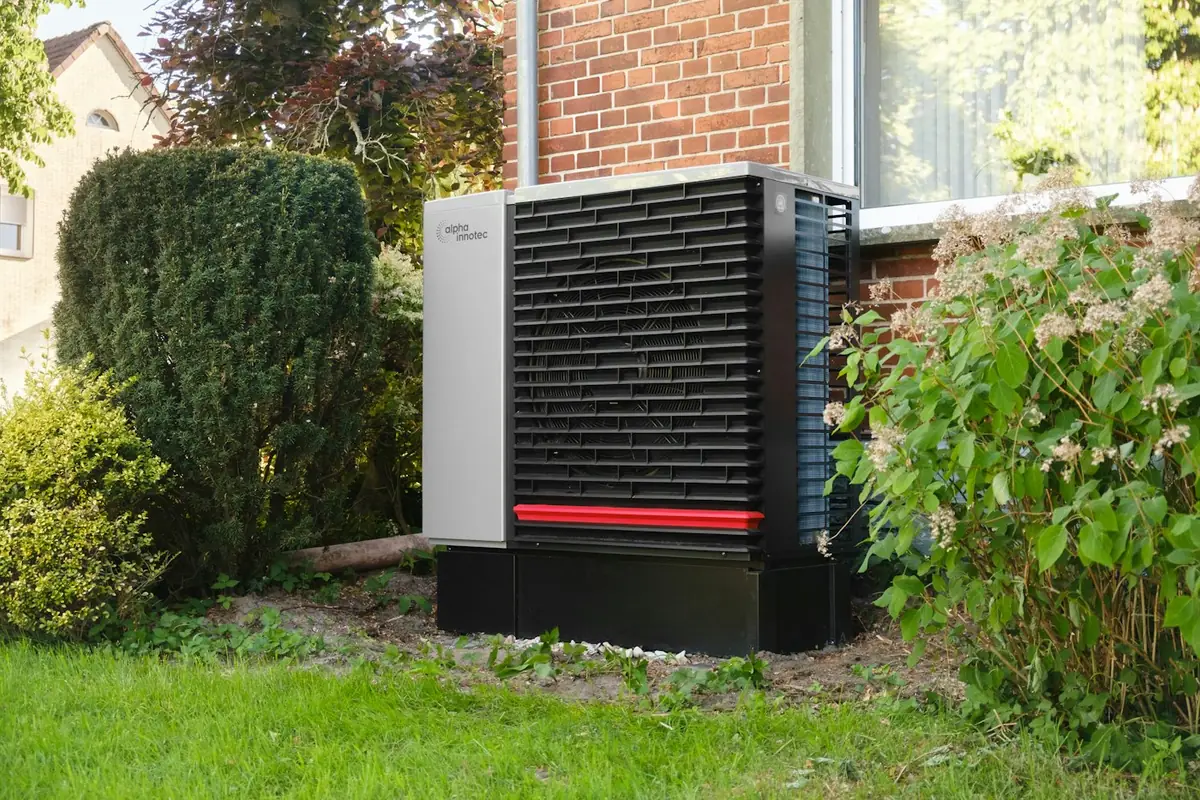
Signs your heat pump needs repair
- The outdoor unit is encased in ice. Light frost that clears on its own is normal. Ice that covers the coil, the top, or the fan blades and stays for hours isn't.
- Lukewarm air in heating mode. Heat pump air is cooler than furnace air to begin with (around 90 to 100 degrees), but it should still warm the house.
- AUX heat is on most of the time, even in mild weather, and the electric bill has jumped.
- It heats when set to cool, or cools when set to heat.
- The outdoor unit runs constantly and the house can't reach the set temperature at 35 or 40 degrees outside.
- Loud buzzing, grinding, or a fan that doesn't spin. A brief whoosh and a cloud of steam during defrost is normal.
- Short cycling or a tripping breaker.
- A blinking light or error code on a ductless indoor unit.
Common heat pump problems and their causes
- Defrost failure. A defrost control board, a coil temperature sensor, or an outdoor fan motor fails, and the unit never clears its frost. Ice builds until no air can pass.
- Stuck or leaking reversing valve. The unit stays in one mode, or runs with poor capacity in both.
- Low refrigerant charge from a leak. Heating capacity falls off sharply, frost builds faster, and the auxiliary heat picks up the slack.
- Failed capacitor or contactor. The same electrical failures that stop an air conditioner. Heat pumps run in both seasons, so these parts get twice the hours.
- Burned-out auxiliary heat strips or sequencers. The heat pump works but the backup doesn't, so the house falls behind on very cold nights.
- Thermostat wiring or setup errors. A thermostat configured for a conventional system will run a heat pump wrong. This is common after a do-it-yourself thermostat swap.
- Dirty coils and filters, which hurt a heat pump's heating output more than they hurt a furnace.
What heat pump repair involves
A heat pump has to be tested in the mode that's failing, and often in both. The technician checks the thermostat signals, confirms the reversing valve is energizing, reads refrigerant pressures and line temperatures, and measures the air temperature rise across the indoor coil.
The defrost cycle is forced manually to see whether the board, sensor, and valve respond. Auxiliary heat is tested for amperage on each stage.
If the outdoor unit is iced over, it has to be thawed before anything can be measured. We don't chip ice off a coil, since the fins and tubing are thin aluminum and copper.
Once the fault is confirmed, the part is replaced: a defrost board or sensor, a fan motor, a capacitor, or a reversing valve, which involves recovering the refrigerant, brazing in a new valve, evacuating, and recharging by weight. The system is then run in heat and cool to confirm both.
Do heat pumps work in Youngstown winters?
Whether a heat pump suits northeast Ohio is the first question most homeowners here ask. January nights in Youngstown average around 20 degrees, and cold snaps drop into the single digits or below.
A standard heat pump loses capacity steadily below about 35 degrees, so on its own it won't carry a typical house through those nights. There are 2 setups that work well here:
- Dual fuel. The heat pump handles spring, fall, and mild winter days. Below a set outdoor temperature, the system switches to the gas furnace. Since most Youngstown homes already have gas service and a furnace, this is often the most practical arrangement.
- Cold-climate heat pumps. Inverter-driven models hold most of their rated output down to around 5 degrees and keep running below zero. These are sized to carry more of the load, with electric or gas backup for the extremes.
Snow is the other local factor. Lake-effect snow reaches the Mahoning Valley, and a heat pump sitting on a pad at ground level can end up with its coil buried in a drift or its base pan frozen full of defrost water.
We set outdoor units on raised stands, above the expected snow line and away from roof edges where snow and ice slide off, so that meltwater can drain and air can get through. If your unit sits flat on the ground and ices up every winter, the mounting may be the whole problem.
What affects heat pump repair and installation cost
For repairs: the part (capacitors and sensors are minor; reversing valves and compressors are major), whether refrigerant must be recovered and recharged, the refrigerant type, whether the system is ducted or ductless, and whether brand-specific inverter boards have to be ordered from the manufacturer.
For installation: capacity, standard or cold-climate rating, single or multiple ductless zones, whether it ties into an existing furnace as dual fuel, the thermostat and outdoor sensor needed to control the switchover, electrical circuit or panel changes, the stand and line set, and any ductwork corrections. You get a price for your house after we have looked at it.
When you need emergency heat pump repair
Call right away if the heat pump is the home's only heat source and it has stopped heating in freezing weather. Switch the thermostat to emergency heat first. That runs the backup heat alone and keeps the house warm at a higher operating cost.
Also call promptly if the outdoor unit is a solid block of ice, if the breaker trips repeatedly, or if you smell burning from the air handler. We respond to emergency no-heat calls around the clock.
A heat pump that's heating weakly but holding temperature with auxiliary heat is costing you money by the hour, though it can wait for the next scheduled opening.
Heat pump maintenance between service visits
Change the filter monthly in heavy use. Keep snow, leaves, and shrubs 2 feet back from the outdoor unit and clear snow off the top after storms. Don't use big thermostat setbacks in winter, because recovering several degrees triggers the auxiliary heat and wipes out the savings.
If your system cools poorly in summer, the diagnosis is the same as for any central air conditioner. You can see the rest of what we work on at our Youngstown HVAC company home page.
Heat pump questions from Northeast Ohio homeowners
Is it normal for my heat pump to have frost on it?
Yes. In heating mode the outdoor coil runs colder than the air, so frost forms. The unit reverses for a few minutes every 30 to 90 minutes to melt it, and you may see steam rise. Thick ice that doesn't clear after a defrost cycle means something has failed.
What's the difference between auxiliary heat and emergency heat?
Auxiliary heat is backup that comes on automatically alongside the heat pump when it needs help. Emergency heat is a manual setting that shuts the heat pump off and runs the backup alone. Use emergency heat only when the heat pump itself has failed.
Do heat pumps work in Ohio winters?
Yes, with the right setup. In the Youngstown area that means either a dual fuel system that switches to a gas furnace on cold nights, or a cold-climate inverter heat pump with backup heat sized for the coldest days.
Why does the air from my heat pump feel cool?
Heat pump supply air is typically 90 to 100 degrees, compared with 120 to 140 degrees from a gas furnace. Because it's below body temperature it can feel cool on your hand even though it's heating the room. If the house isn't reaching the set temperature, that's a real problem and should be checked.
Can a heat pump replace my air conditioner and keep my furnace?
Yes. That's a dual fuel system. The heat pump sits where the air conditioner was and uses the same indoor coil position and ductwork, and the furnace stays as the cold-weather heat source.
Heat pump trouble? Call HVAC Guy
Tell us whether the outdoor unit is running, whether it's iced over, and whether the thermostat shows AUX or EM HEAT. If the unit is buried in ice, switch to emergency heat so the house stays warm, and call.