
HVAC repair and service in Youngstown, OH
HVAC Guy repairs, replaces, and installs furnaces, boilers, central air conditioners, and heat pumps for homes in Youngstown and the surrounding Mahoning Valley. If the heat is out or the AC has quit, call and tell us what the system is doing. We answer 24 hours a day.
Need service today?
Call HVAC Guy
(330) 300-8613- Phones answered 24 hours a day, 7 days a week
- You talk to the company that does the work
- The price is explained before a repair starts
- 24/7 emergency serviceCalls answered day and night
- More than 5 years in businessServing the Mahoning Valley
- Local Youngstown shop4496 Mahoning Ave, 44515
- Repair and installationFurnaces, boilers, AC, heat pumps
Heating and air conditioning repair for Youngstown homes
Most calls we get fall into one of 3 groups: the system stopped working, the system runs but the house isn't comfortable, or the equipment is old enough that the owner wants to know whether to fix it or replace it. HVAC Guy handles all 3.
We diagnose the fault, explain what we found in plain terms, and do the repair or the replacement ourselves. We're the company that shows up at your door.
We work on gas furnaces, hot water and steam boilers, central air conditioners, heat pumps, and ductless mini-split systems. Our shop is at 4496 Mahoning Ave on the west side, so calls in Youngstown, Austintown, Boardman, Canfield, Poland, and Struthers are all a short drive.
What to tell us when you call for HVAC service
A few details over the phone help us show up with the right parts and a realistic idea of the job:
- What the system is: furnace, boiler, central AC, heat pump, or ductless unit.
- What it's doing: not starting, short cycling, blowing cold or warm air, leaking, or making a new noise.
- Any error code or blinking light pattern on the furnace board or thermostat.
- Roughly how old the equipment is, if you know.
- Whether anyone in the house is elderly, very young, or medically fragile, so we can prioritize a no-heat call.
What we do
Furnace, AC, and boiler services in Youngstown, OH
Each service below has its own page that covers the warning signs, what the work involves, what changes the price, and when the problem can't wait.
Furnace repair
Igniters, flame sensors, inducer and blower motors, limit switches, gas valves, and control boards on gas furnaces that won't light, short cycle, or blow cold air.
AC repair
Capacitors, contactors, fan motors, refrigerant leaks, frozen coils, and clogged condensate drains on central air conditioners that run without cooling.
Boiler repair
Hot water and steam boilers: circulator pumps, expansion tanks, zone valves, pressure relief valves, low water cutoffs, and radiators that stay cold.
Furnace installation and replacement
Sizing by load calculation, venting, gas piping, permit, and startup testing when an old furnace is unsafe or no longer worth repairing.
AC installation and replacement
New central air or ductless systems, including homes with radiators and no ductwork, with attention to electrical capacity and duct sizing.
Heat pump repair and installation
Defrost faults, reversing valves, low refrigerant charge, and dual fuel setups that pair a heat pump with a gas furnace for cold nights.
Boiler installation and replacement
New hot water and steam boilers sized to the house and the radiators, piped and vented correctly, when the old cast iron is leaking or unsafe.
Ductless mini-split installation
Heating and cooling without ductwork for radiator-heated homes, finished attics, additions, and rooms the main system never reaches.
Ductwork repair and sealing
Leaky joints, disconnected runs, and missing return air that leave rooms uneven and make furnaces overheat.
Furnace and AC maintenance
Fall heating checks and spring cooling checks: burners, safety controls, venting, coils, drains, and refrigerant charge.
Emergency HVAC repair
No heat in freezing weather, a carbon monoxide alarm, a leaking boiler, or no cooling during a heat wave. Calls are answered 24/7.
Common furnace, boiler, and air conditioner problems in Youngstown homes
These are the complaints we hear most, with the usual cause behind each one.
Furnace clicks or starts, then shuts off
A furnace that lights for a few seconds and drops out usually has a dirty flame sensor. One that runs for a few minutes and then stops is often overheating and tripping its high limit switch because of a clogged filter or restricted ductwork. Both are routine furnace repair calls, and both get worse if the furnace is left to keep cycling.
Air conditioner runs all day and the upstairs stays warm
The outdoor unit may be low on refrigerant, the indoor coil may be iced over, or the ductwork may never have been sized for cooling. That last cause is common in older 2-story houses where ducts were laid out for heat only, and the fix for it is ductwork repair. Our air conditioning repair visit starts by finding out which of those it is, because the fixes are very different.
Boiler runs but some radiators stay cold
On a hot water system this usually means trapped air, a failed circulator, or a stuck zone valve. On a steam system it points to a bad radiator vent or a pitch problem in the piping.
See our boiler repair page for how each one is tracked down. If the cast iron itself is leaking, the next step is boiler replacement.
Furnace or AC is 15 to 20 years old and repairs are adding up
Replace when the heat exchanger is cracked, the compressor has failed, or the refrigerant is no longer manufactured. A 20-year-old furnace that tests safe can keep running. We lay out both options so you can compare a repair against a furnace replacement or a new air conditioner with real numbers for your house.
Heat pump is covered in ice or blowing cool air
A thin coat of frost that clears every hour or so is normal in winter. A solid block of ice is a defrost failure. Our heat pump service covers defrost boards, sensors, and reversing valves.
How Youngstown's older homes and winters affect furnaces, boilers, and air conditioners
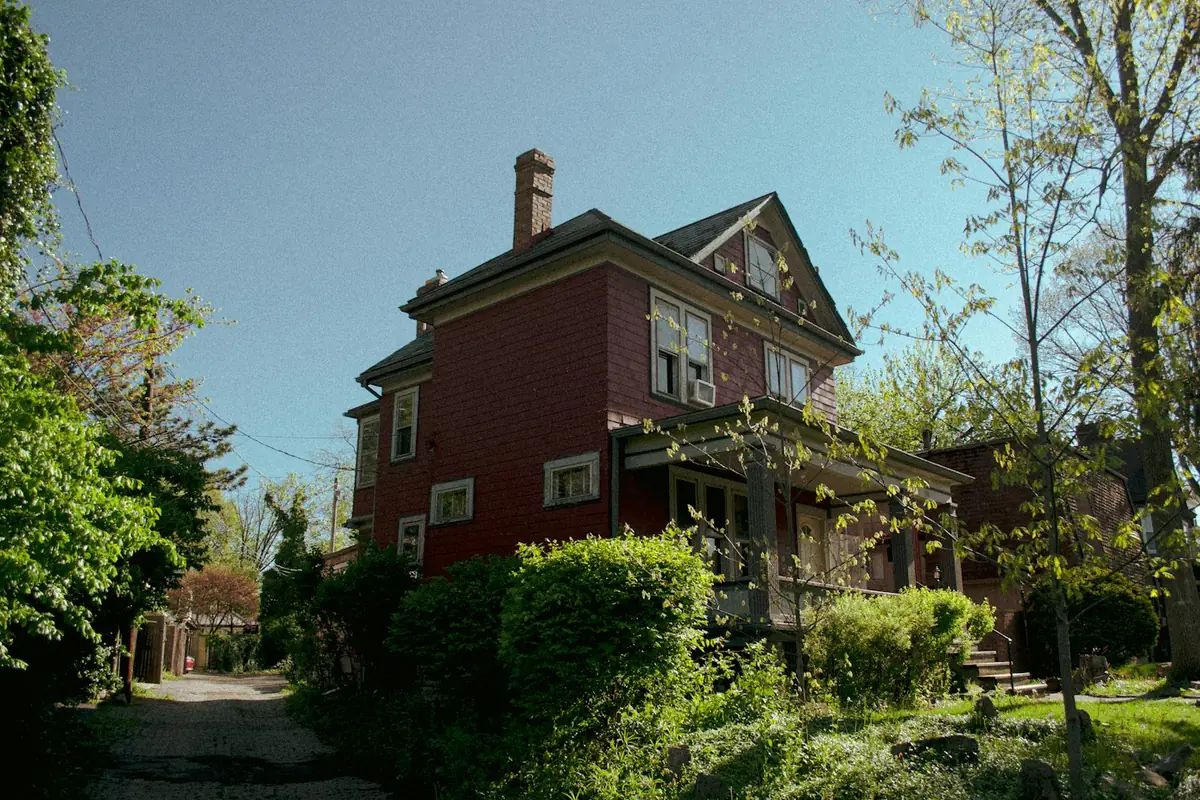
Youngstown's housing is old, and that shapes almost every HVAC job in the city. Census-based housing data puts roughly 4 in 10 Youngstown homes as built before 1940, with the typical house dating to around 1950.
Those homes were built for coal and gravity heat, then converted to gas, then had central air added decades later. Each conversion left something behind.
- Ductwork sized for a different system. Many older houses have large supply ducts and very little return air, or no returns on the second floor at all. A modern furnace pushed through that ductwork runs hot and trips its safety limit. A modern air conditioner on the same ducts struggles to cool the upstairs.
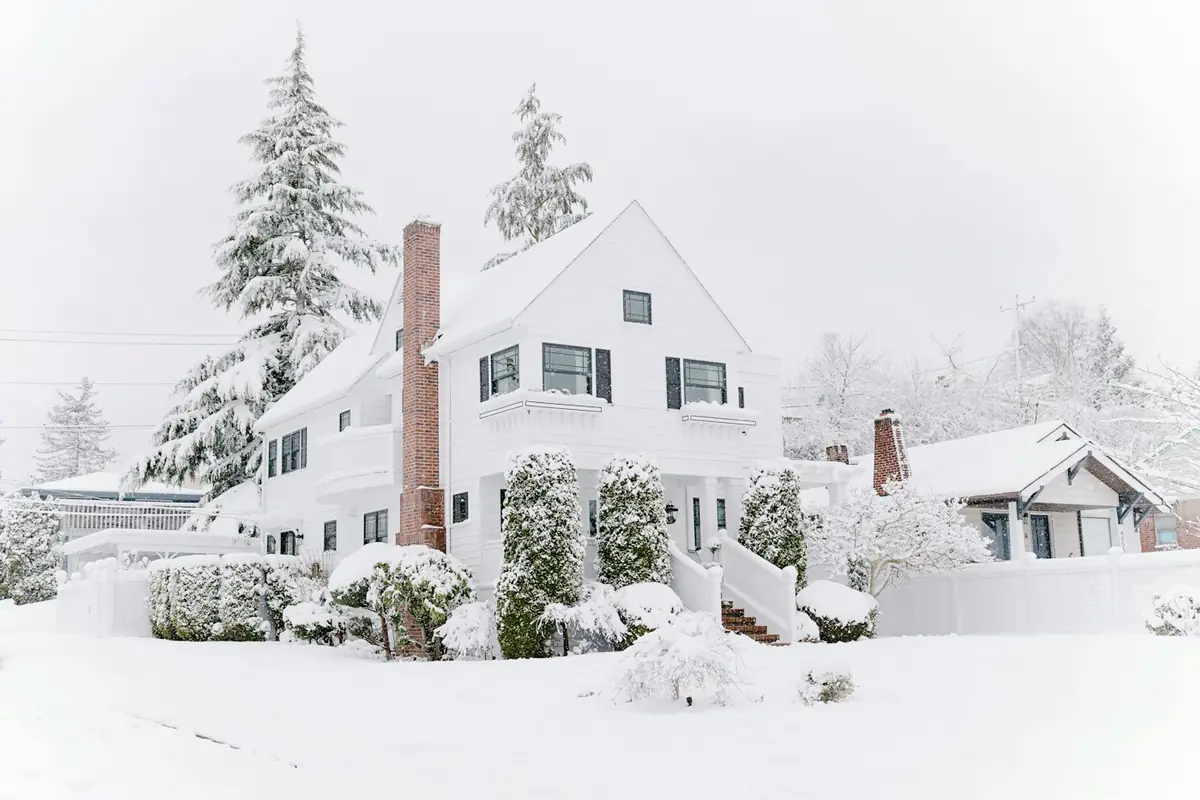
- Radiators and no ducts. Neighborhoods like Wick Park and Crandall Park on the north side are full of late Victorian and Craftsman houses heated by cast iron radiators. Those homes need someone who works on boilers, and they need a ductless mini-split or attic-based answer for cooling.
- Masonry chimneys. Replacing an old furnace with a high-efficiency model that vents through the wall can leave a gas water heater alone on a chimney that's now too large for it. That has to be checked during any furnace replacement.
- Long heating seasons. January nights here average around 20 degrees, cold snaps go well below that, and lake-effect snow off Lake Erie reaches the Mahoning Valley. Furnaces and boilers run for 6 months or more, so worn igniters, weak inducer motors, and tired circulator pumps tend to fail on the coldest night, when the equipment is working hardest.
- Humid summers. July afternoons are warm and sticky. An air conditioner here does as much work removing moisture as lowering temperature, which is why clogged condensate drains and oversized units that short cycle cause so many comfort complaints.
How an HVAC service call works
- You call and describe the problem. We ask about the type of system, the symptoms, and how urgent it is. A house with no heat in freezing weather moves to the front.
- We schedule the visit. You get a time for a technician to come out. Emergency calls are taken around the clock.
- The technician diagnoses the fault. That means testing: checking voltage, gas pressure, flame signal, refrigerant pressures, temperatures, and safety controls as the symptoms call for.
- We explain what we found and what it costs. You hear what failed, why, and the price to fix it before the repair starts. If replacement makes more sense, we say so and explain the reasoning.
- We do the work and test the system. After the repair the system is run through a full cycle to confirm it starts, heats or cools, and shuts down the way it should.
What affects HVAC repair and replacement cost
The price of an HVAC job depends mainly on which part failed, how hard the equipment is to reach, and whether the fault damaged anything else. We don't publish flat prices because 2 furnaces with the same symptom can need very different repairs. These are the things that move the number:
- The part. A flame sensor or capacitor is a small repair. A blower motor, control board, or compressor isn't.
- Access. Equipment in a tight crawl space, a low attic, or a basement corner boxed in by later remodeling takes longer to work on.
- Age and parts availability. Parts for older equipment can be discontinued. Air conditioners that use R-22 refrigerant are costly to recharge because that refrigerant is no longer produced.
- Secondary damage. A leaking condensate line can ruin a control board. A failed capacitor can take out a fan motor. The full extent is sometimes only clear once the unit is opened.
- Timing. Night, weekend, and holiday emergency calls can cost more than a scheduled weekday visit.
- For replacements: equipment size and efficiency, changes to ductwork, venting, gas line or electrical work, and the permit.
Repair or replace a furnace or air conditioner: how to decide
| Situation | Usually repair | Usually replace |
|---|---|---|
| What failed | Igniter, sensor, capacitor, contactor, motor, pump | Cracked heat exchanger, failed compressor, leaking boiler section |
| Age of equipment | Under about 12 to 15 years | Past its expected life and needing a major part |
| Repair history | First significant repair | Several repairs in the last 2 or 3 seasons |
| Safety | Fault is isolated and the unit tests safe afterward | Flue gas spillage, carbon monoxide, or a failed safety that can't be corrected |
When you need 24/7 emergency HVAC repair
Call right away, at any hour, if you have no heat and the outdoor temperature is at or near freezing, if a carbon monoxide alarm is sounding, if a boiler or furnace is leaking water onto the floor, or if you smell something burning from the equipment. Loss of cooling becomes an emergency when someone in the home is elderly, an infant, or has a medical condition that heat makes worse.
If you smell gas: don't operate light switches or the thermostat. Leave the house, then call 911 and your gas utility (Enbridge Gas Ohio serves most of the Youngstown area) from outside. Call us after the utility has made the house safe.
Our emergency HVAC repair page lists what to check before you call and how to protect pipes while you wait.
HVAC service areas in Youngstown, OH
HVAC Guy works throughout the city of Youngstown, on the north, south, east, and west sides, including Brier Hill, Lansingville, Kirkmere, and Schenley. Youngstown ZIP codes we cover include 44502, 44503, 44504, 44505, 44506, 44507, 44509, 44510, and 44511.
Youngstown neighborhoods we serve
These neighborhood pages describe the houses on those streets and the heating and cooling problems that come with them:
- Wick Park (north side): large late Victorian houses, many divided into apartments, heated by boilers.
- Crandall Park (north side): the historic Fifth Avenue homes from 1904 to 1930, with big radiator systems.
- Brownlee Woods (south side): 1950s Cape Cods and ranches, plus older homes along Sheridan Road.
- Idora (south side): early 1900s houses beside Mill Creek Park, many renovated in recent years.
- Cornersburg (southwest side): postwar forced-air homes, the newest housing in the city.
We also take calls from the communities that border the city, including Austintown, Boardman, Canfield, Poland, and Struthers.
Not sure whether you're in our service area? Call and give us your address.
A local HVAC contractor on Mahoning Avenue
HVAC Guy has been in business for more than 5 years, working out of 4496 Mahoning Ave, Youngstown, OH 44515. When you call the number on this site you reach our business, and our technician is the one who comes to your home. Heating and cooling is the only work we do.
You can read more about HVAC Guy and how we work, or go to the contact page for our phone, address, and hours.
HVAC repair questions from Youngstown homeowners
Do you repair all brands of furnaces and air conditioners?
Yes. Gas furnaces, boilers, air conditioners, and heat pumps work on the same principles across brands, and most replacement parts such as igniters, capacitors, motors, and gas valves are available for all major manufacturers. Tell us the brand and model when you call so we can check parts before the visit.
Are you available at night and on weekends?
Yes. HVAC Guy takes emergency heating and cooling calls 24 hours a day, 7 days a week. No heat in freezing weather, a carbon monoxide alarm, and a leaking boiler are treated as emergencies.
How do I know if my furnace should be repaired or replaced?
Repair is usually the right call when a single part has failed and the furnace tests safe afterward. Replacement makes more sense when the heat exchanger is cracked, when the furnace is past its expected life and needs a major part, or when it has needed several repairs in the last few seasons. We give you both prices so you can decide.
Why is my upstairs so much hotter than downstairs in summer?
In many older Youngstown houses the ductwork was designed for heating, with few or no return air ducts on the second floor. Cool air can't circulate properly, so the upstairs lags behind. The fix may be duct changes, a correctly sized system, or a ductless unit serving the second floor.
Do you work on boilers and radiator heat?
Yes. We repair both hot water and steam boilers, which are common in the older parts of Youngstown, Poland, and Struthers. That includes circulator pumps, expansion tanks, zone valves, relief valves, and radiator vents.
Does replacing a furnace in Youngstown require a permit?
A furnace replacement generally requires a heating permit from the local building department. Inside Youngstown city limits that's the city. In surrounding townships such as Austintown and Boardman it's the Mahoning County Building Inspection Department. The permit is part of the installation job.
How often should a furnace or air conditioner be serviced?
Once a year for each: the furnace or boiler in the fall before the heating season, and the air conditioner in the spring. A check covers the filter, burners, flame sensor, safety controls, electrical connections, condensate drain, and refrigerant pressures, and it catches most parts that are about to fail. Our furnace and AC maintenance page lists what each visit covers.
Need a furnace, boiler, or AC looked at in Youngstown?
Call HVAC Guy and describe what the system is doing: the noise, the smell, the error code, or the room that won't heat or cool. We'll tell you what the next step is and get a technician scheduled. The phone is answered day and night for no-heat and no-cooling emergencies.