
AC installation and replacement in Youngstown, OH
HVAC Guy installs central air conditioners and ductless mini-split systems, both as replacements for worn-out units and as first-time cooling in homes that never had it. The right system depends on your ductwork, your electrical panel, and how the house is built.
Signs you need a new air conditioner
- The compressor has failed. The outdoor unit hums, trips the breaker, or tests shorted to ground. On an out-of-warranty unit, a compressor replacement often approaches the cost of a new condenser.
- It uses R-22 and has a leak. R-22 is no longer produced, so each recharge is expensive and temporary.
- The indoor coil is leaking on a system more than 10 to 12 years old.
- It runs constantly and still falls behind on days that are warm but not extreme, after airflow and charge have been checked.
- Rising electric bills with no change in use.
- Corroded fins, oil stains at the fittings, and loud bearing noise from the outdoor fan or compressor.
If the problem is a capacitor, contactor, or fan motor on a unit in otherwise decent shape, an AC repair is the sensible move.
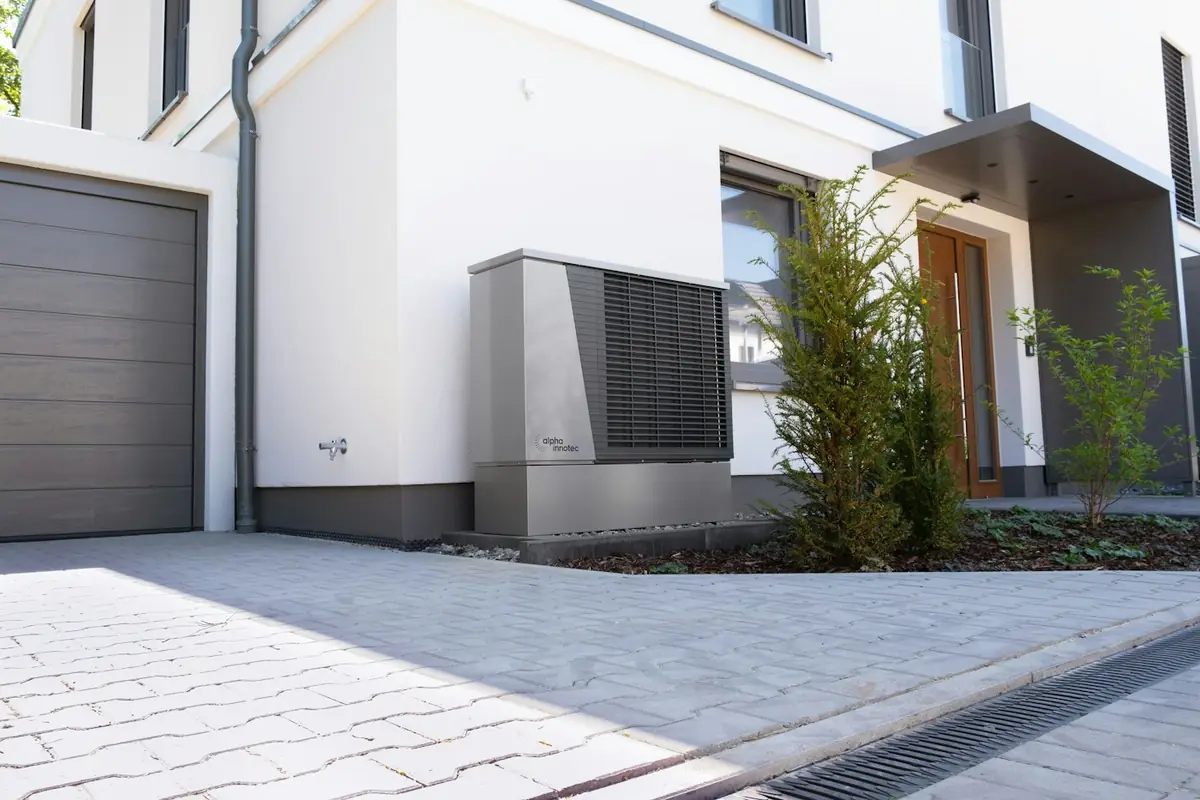
Central air, ductless, or heat pump: Which system fits your house
Central air on existing ductwork is the usual choice when the house already has a forced-air furnace. An outdoor condenser connects by refrigerant lines to a coil on top of the furnace, and the furnace blower moves the air.
Ductless mini-splits use an outdoor unit connected to one or more wall-mounted or ceiling indoor units. Each indoor unit cools its own room or zone. No ductwork is needed, only a small hole through the wall for the line set.
A heat pump looks like an air conditioner and cools the same way, but it also runs in reverse to heat. If you're replacing an air conditioner anyway, the added cost of a heat pump is modest. Our heat pump page explains how they perform in northeast Ohio winters.
Adding central air to Youngstown homes with radiators or old wiring
Many houses in the older parts of Youngstown, especially on the north side and in the neighborhoods closest to downtown, are heated by a boiler and cast iron radiators. There's no ductwork to attach central air to. These homes have 3 realistic options:
- Ductless mini-splits in the main living space and bedrooms. This route makes the least mess and leaves plaster walls and ceilings alone.
- An attic air handler with short duct runs to ceiling registers on the second floor. This cools the hottest part of the house and lets cool air settle downstairs.
- A combination: attic system upstairs and a ductless unit for the first floor.
Electrical capacity is the other common limit. Older homes here often still have a 60 or 100 amp service, sometimes with a fuse box. A central air conditioner needs its own 240 volt circuit and an outdoor disconnect.
If the panel is full or undersized, an electrician has to upgrade the service or add a subpanel before the AC can be connected. We check the panel during the first visit so that cost is known before you decide.
What size air conditioner you need
Size is set by a cooling load calculation: square footage, insulation, window area and direction, shading, air leakage, and the number of people. An oversized unit cools the air in a few minutes and shuts off before it has removed much moisture, leaving the house cold and damp. In a humid summer climate like ours, a correctly sized unit that runs longer cycles is noticeably more comfortable.
We also check that the ductwork and the furnace blower can move the air the new system needs. A 3-ton air conditioner needs roughly 1,200 cubic feet of air per minute. If the ducts can only deliver 900, the coil will run too cold and may freeze.
What central air installation involves
- For a replacement, the refrigerant in the old system is recovered into a tank, as federal law requires, and the old condenser and coil are removed.
- The outdoor unit is set on a level pad with clearance for airflow and service.
- The indoor coil is installed on the furnace and the sheet metal is fitted and sealed. For ductless, the indoor heads are mounted and the wall penetrations are sealed.
- Refrigerant lines are run or replaced, brazed with nitrogen flowing through them to keep the inside clean, and pressure tested.
- The system is evacuated with a vacuum pump to a deep vacuum, measured with a micron gauge, to remove air and moisture.
- Electrical connections, the disconnect, and thermostat wiring are completed.
- The condensate drain is run and tested with water.
- The system is started, and the charge is adjusted by measured superheat or subcooling. Temperature drop and airflow are confirmed.
A like-for-like central air replacement usually takes a day. A first-time installation with new ducts or several ductless zones takes longer.
What affects AC installation cost
- System type and capacity. Tonnage, and whether it's central, ductless, or a heat pump.
- Efficiency rating (SEER2) and compressor type. Two-stage and variable-speed units cost more and control humidity better.
- Number of ductless zones. Each indoor head adds equipment and labor.
- Ductwork. None needed, minor changes, or a full new duct system.
- Electrical work. A new circuit, disconnect, or panel upgrade.
- Line set. Reusing a clean, correctly sized line set costs less than running a new one through finished walls.
- The furnace. An older furnace blower may not suit a new coil, which is one reason people pair this with a furnace replacement.
- Permit fees where the local building department requires one.
The price is given in writing after we have seen the house.
When AC replacement is urgent
A dead compressor in a July heat wave is urgent for households with infants, elderly family members, or anyone with a health condition that heat makes dangerous. Call us in that case.
If replacement can't happen the same day, close blinds on sunny sides, run fans, use a window unit or portable AC in one room to create a cool space, and avoid running the oven. A system that still cools, even poorly, gives you time to compare options before deciding.
What to expect from a new air conditioner
Expect longer, quieter cycles than an old oversized unit gave you. Keep the filter changed and the outdoor unit clear.
In the first week, check the drain line and the area around the indoor unit for any water. For a wider view of what HVAC Guy does, see our heating and cooling company page for Youngstown.
AC installation and replacement questions
Can central air be added to a house with radiators?
Yes. Since there are no ducts, the usual choices are ductless mini-splits or an air handler in the attic with ducts to the second-floor ceilings. Both leave the boiler and radiators in place for heating.
What size air conditioner do I need?
It depends on a load calculation for your specific house. Square footage alone is unreliable, because insulation, windows, and sun exposure change the answer by a full size or more. Most homes need between 1.5 and 4 tons.
Do I need to replace the indoor coil when I replace the outdoor unit?
In nearly all cases, yes. The coil and condenser are designed and rated as a matched pair, and new units use a different refrigerant than older coils were built for.
How long does AC installation take?
Replacing an existing central air system usually takes one day. A first-time installation with new ductwork or multiple ductless zones can take 2 or 3 days.
Will my electrical panel handle central air?
A 100 amp panel with open space often can. A 60 amp service or a full panel usually needs an upgrade or subpanel first. We check this during the estimate visit.
Planning for central air or a replacement unit?
Call HVAC Guy to set up a visit. We'll look at the existing equipment, the ducts or lack of them, the panel, and where an outdoor unit can sit, then give you the options that fit the house and what each one involves.